A guide to
Juan Cabanilles
Algemesí 1644 — Valencia 1712
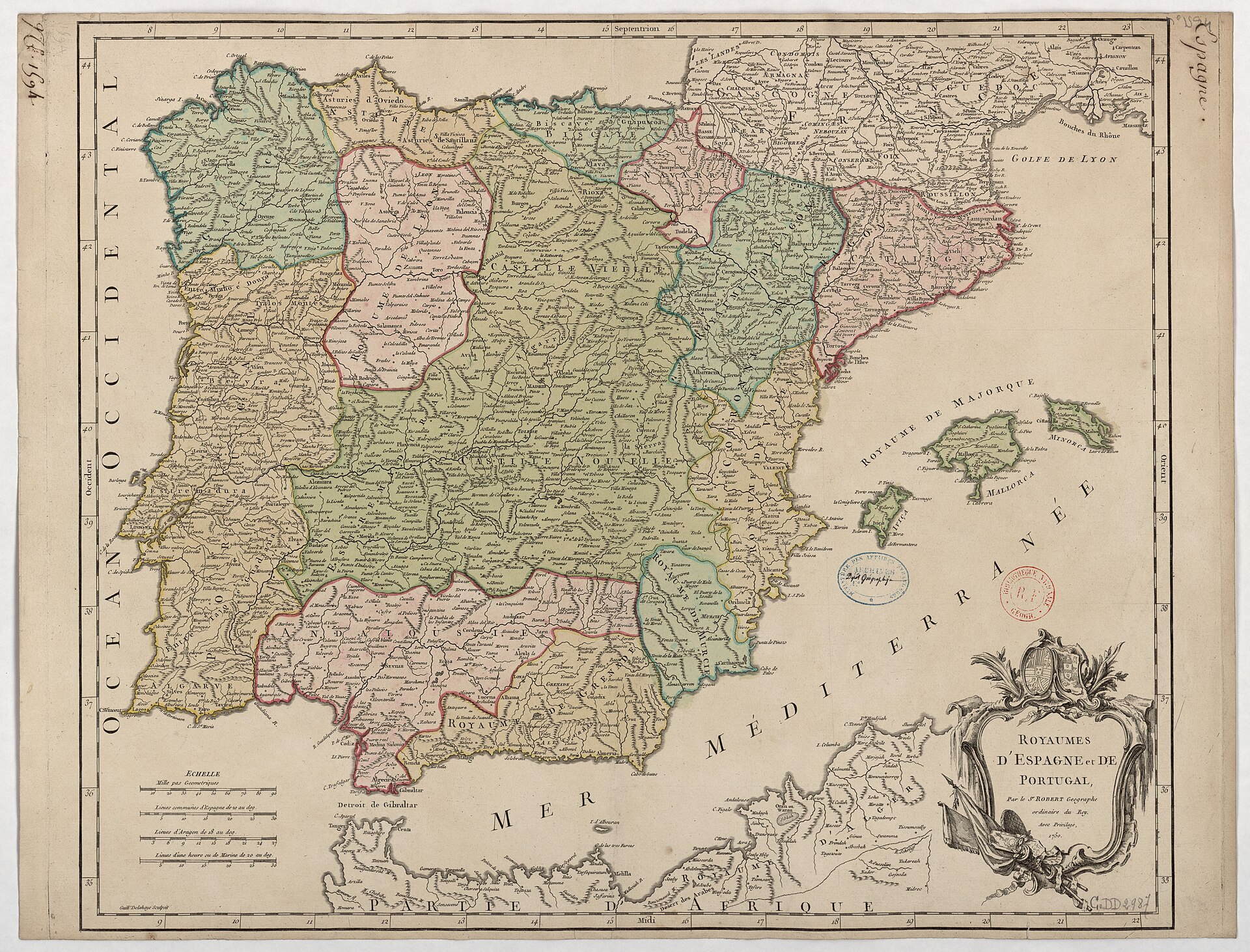
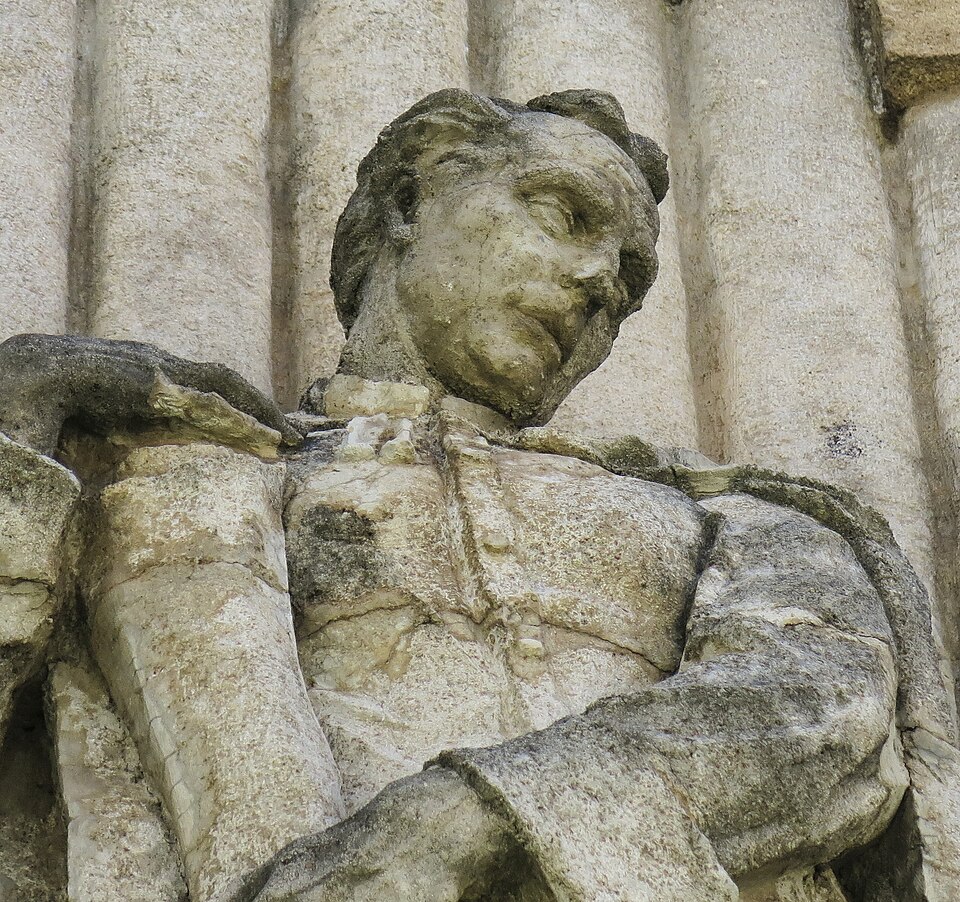
Juan Bautista Cabanilles is the central figure of the Spanish Baroque organ school — the composer who took the tientos, batallas, and paseos of the Iberian tradition to their highest technical and expressive point — and is also the most quietly insulated keyboard composer of his era from the rest of Europe. He never travelled north of the Pyrenees. No German composer ever heard his music in his lifetime. No printed edition of any of his works existed before 1927. He spent forty-seven years at a single organ bench, in a single Mediterranean city, writing for a single instrument; he wrote, by current count, over a thousand pieces, of which roughly seven hundred survive in manuscript copies kept by his students.
He was born in Algemesí, a small town in the huerta of Valencia, on 6 September 1644 — the same year Buxtehude was born somewhere on the Sound. His early training is undocumented; he appears already as a competent organist at the Real Convento de la Mare de Déu in Algemesí by his late teens, and in 15 May 1665, at the age of twenty, he was appointed assistant organist of Valencia Cathedral. Within months the senior organist died, and Cabanilles, age twenty-one, was promoted to the principal post. He held it until his death forty-seven years later.
The Iberian organ: a different instrument
To understand what Cabanilles wrote you have to understand what he wrote for. The Spanish Baroque organ is a different musical instrument from the German or French organ of the same period, in three ways that matter for the music.
The horizontal trumpets — trompetería real. Most pipes on a German organ stand vertically and speak into the church on the natural axis. On a Spanish organ, the reed ranks are arranged horizontally, projecting out of the case into the nave like the barrels of a battery of cannons. The visual effect, on the great late-Baroque instruments at Granada, Toledo, and Valencia, is unmistakable. The acoustic effect is even more so: the trumpets are aimed at the listener. When Cabanilles writes a Batalla — a battle piece using the horizontal reeds — he is writing music that hits you in the face.
The split keyboard — medio registro. Most European organs treat each manual as a single registration that applies equally to all keys. On a Spanish organ, the manual is split at middle c (between c′ and c♯′), and the player can pull different stop combinations for the bass half and the treble half. This makes possible the tiento de medio registro — a piece in which a quiet accompaniment in one hand supports a virtuoso melody on a contrasting solo registration in the other, on the same keyboard. Cabanilles wrote roughly two hundred tientos de medio registro, of which the Tientos de dos tiples (two trebles) and Tientos de dos bajos (two basses) are the most ambitious.
No pedalboard, or a vestigial one. The Iberian tradition kept the keyboard player’s feet free for stop-pulling and for the contras (a pull-down pedal that doubled the bass at 16-foot pitch). Cabanilles’s organ music is all manualiter, and the contrapuntal density of the tientos is therefore much greater than what a German organist could practically achieve while also playing a pedal line.
Valencia Cathedral and the capellanía
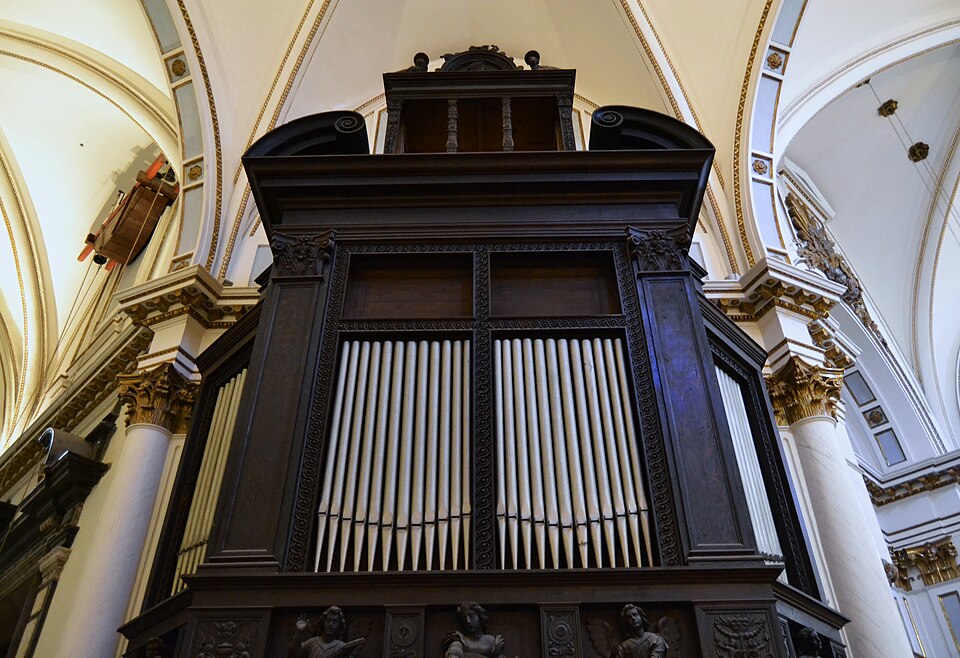
In 1668, three years into his cathedral post, Cabanilles was ordained a priest. From then until his death he held a capellanía — a chaplaincy — at the cathedral, in addition to his salary as organist. The two posts together gave him a comfortable income (the capellanía paid more than the organist salary did) and meant that he could refuse external offers without financial cost. In 1693 he was approached by the Royal Chapel in Madrid, with a substantially higher salary, and turned them down. Several other Spanish cathedrals approached him over the next decade. He never left Valencia.
He also taught: most of the next generation of Spanish organists came through Valencia in the late 1660s, 1670s, and 1680s, including his eventual successor Josep Elies and Antonio de Salazar, who carried the Cabanilles idiom to Mexico City. The Iberian organ tradition that Cabanilles’s pupils transmitted survived in Spanish and Mexican cathedrals until the late eighteenth century, when the late-classical galant style finally overwhelmed it.
The forgotten century
Cabanilles died on 29 April 1712, age sixty-seven, in the cathedral’s organ-loft apartment. He was buried in the cathedral itself, in an unmarked grave near the lower altar. His will, transcribed in 1973 by Higinio Anglés, leaves his keyboard instruments to the cathedral and his personal manuscripts to his pupils.
For the next two centuries his music vanished entirely from the wider European keyboard world. Spanish organ practice continued to use his pieces until the early nineteenth century, then forgot them; outside Spain he was not known to have existed. The first modern edition began only in 1927, when the Catalan musicologist Higinio Anglés began publishing what would eventually become the eight-volume Musici Organici Joannis Cabanilles Opera Omnia (the Cabanilles Werke-Verzeichnis, or WSC numbers we still use), drawing on manuscripts scattered across thirty-two Spanish, French, and Italian libraries. The project took fifty years and was completed by Anglés’s pupils in 1986.
The Opera Omnia runs to over a thousand pages of organ music in modern transcription. Almost none of it had been heard outside Spain in two hundred and fifty years. Cabanilles is, in the literal sense, a composer the world has had to learn twice — once in his lifetime, and once, more cautiously, since 1927. The recital programme that opens with a Tiento de Falsas and ends with a Batalla is restoring to public hearing one of the largest single bodies of work in seventeenth-century keyboard music.